
Gratis SMART HOME by hornbach handleidingen – lezen, downloaden en printen
1 Handleidingen
Handleidingen
Categorieën

SMART HOME by HORNBACh MANUALS
Introduction to Smart Home Technology at Hornbach
The modern home is evolving rapidly, transforming from a static living space into a dynamic, responsive environment. Hornbach, a leading retailer in the do-it-yourself and home improvement sector, has recognized this shift and offers an extensive range of smart home solutions under the SMART HOME brand. This comprehensive guide serves as a manual for understanding, installing, and managing these intelligent systems. Whether you are a seasoned tech enthusiast or a beginner looking to add convenience and security to your home, the resources provided here will help you navigate the world of connected devices.
Smart home technology integrates various household appliances and systems into a unified network. This integration allows users to control lighting, heating, security cameras, door locks, and even kitchen appliances remotely via smartphones or voice commands. The primary goal is to enhance comfort, improve energy efficiency, and increase safety. Hornbach provides not only the hardware but also detailed manuals that ensure every user can set up their system correctly without professional assistance. By following these guides, homeowners can create a personalized ecosystem that adapts to their daily routines.
Core Components of the SMART HOME Ecosystem
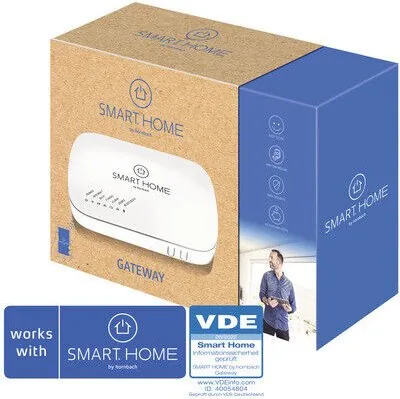
To build a functional smart home, one must understand the core components that make up the system. These elements work together seamlessly to provide automation and remote control capabilities. The foundation of any smart home setup is the central hub or gateway. This device acts as the brain of the operation, connecting all individual smart devices to the internet and allowing them to communicate with each other. Without a reliable hub, devices may operate in isolation, limiting their potential for automation.
Lighting systems form another critical pillar of smart home technology. Hornbach offers smart bulbs and switches that allow users to adjust brightness, change colors, and schedule on-off times. These features not only add ambiance but also contribute significantly to energy savings. For instance, lights can be programmed to turn off automatically when no motion is detected or to simulate occupancy while the homeowner is away. Security is enhanced through smart sensors, including door and window contacts, motion detectors, and glass break sensors. These devices send instant alerts to the user's mobile device if unauthorized access is detected.
Climate control is essential for maintaining a comfortable living environment year-round. Smart thermostats learn user preferences over time and adjust heating and cooling schedules accordingly. This adaptability reduces energy consumption and lowers utility bills. Additionally, smart plugs and sockets enable users to convert traditional appliances into smart devices. By plugging a lamp, coffee maker, or fan into a smart plug, users gain the ability to control power remotely. This functionality is particularly useful for creating automated routines, such as turning on the coffee maker before waking up.
Installation and Setup Procedures
Installing smart home devices requires careful planning and adherence to safety guidelines. Hornbach manuals provide step-by-step instructions tailored to each product type. The first step in any installation is to prepare the network. A stable Wi-Fi connection is crucial for the performance of smart devices. Users should ensure their router is placed centrally and that the signal strength is adequate throughout the house. If necessary, extenders or mesh networks can be used to eliminate dead zones.
Once the network is ready, the physical installation begins. For lighting fixtures, it is important to turn off the power at the circuit breaker before replacing standard switches with smart ones. Most smart switches are designed to fit into existing electrical boxes, making the upgrade straightforward. After securing the switch, connect the wires according to the color-coded diagram provided in the manual. It is vital to double-check all connections before restoring power to avoid short circuits or damage to the device.
Setting up the software follows the physical installation. Download the specific app recommended by Hornbach for the device being installed. Create an account if required and follow the in-app prompts to add new devices. The app will typically search for available devices on the local network. Once the device is found, assign it a name and select its location within the home. This organization helps in managing multiple devices efficiently. Many apps also offer tutorials during the initial setup process to guide users through advanced features like linking devices to voice assistants such as Amazon Alexa or Google Assistant.
Advanced Automation and Integration
Automation is where smart home technology truly shines. By creating rules and routines, users can automate complex tasks that would otherwise require manual intervention. For example, a morning routine could include gradually increasing the brightness of the bedroom lights, unlocking the front door, and starting the coffee maker simultaneously. Similarly, an evening routine might involve locking all doors, arming the security system, and dimming the lights to a relaxing level.
Integration with third-party platforms expands the possibilities further. Hornbach smart home products often support popular protocols like Zigbee, Z-Wave, and Matter. These standards ensure compatibility across different brands and ecosystems. Users can link their smart home devices to voice-controlled speakers to issue hands-free commands. Imagine asking your virtual assistant to check the weather forecast, play music, or lock the back door. This level of integration makes daily life more convenient and efficient.
Energy management is another area where automation plays a significant role. Smart thermostats and energy monitors can track usage patterns and suggest optimizations. Users can receive reports on their energy consumption and identify areas where they can save money. Some systems even integrate with solar panel setups to maximize the use of renewable energy sources. By analyzing data from various devices, the smart home system can make intelligent decisions about when to run high-energy appliances, such as washing machines or electric vehicle chargers, during off-peak hours.
Troubleshooting and Maintenance
Despite their advanced nature, smart home devices can occasionally encounter issues. Common problems include connectivity drops, unresponsive controls, or firmware glitches. Hornbach manuals include a dedicated troubleshooting section to assist users in resolving these challenges. The first step in diagnosing a problem is to check the power supply and network connection. Ensure that the device is plugged in correctly and that the Wi-Fi password has not changed. Restarting the router and the affected device often resolves temporary connectivity issues.
If the problem persists, updating the firmware is a recommended course of action. Manufacturers frequently release updates to fix bugs and improve performance. Check the app regularly for notifications regarding available updates. In some cases, resetting the device to factory settings may be necessary. This process erases all custom configurations and restores the original state. Follow the specific reset instructions provided in the manual to avoid data loss or configuration errors.
Regular maintenance ensures the longevity and reliability of the smart home system. Keep the devices clean from dust and debris, which can interfere with sensors and ventilation. Periodically review the automation rules to ensure they still align with current habits and needs. Remove unused devices from the network to reduce clutter and potential security risks. Staying informed about new features and security patches released by Hornbach will help maintain a secure and efficient smart home environment.
Future Trends and Expansion
The landscape of smart home technology continues to evolve at a rapid pace. Emerging trends include increased focus on privacy and security, improved interoperability between different brands, and the integration of artificial intelligence. As AI becomes more sophisticated, smart home systems will become better at predicting user needs and adapting proactively. For example, a system might anticipate a user's arrival based on traffic data and pre-adjust the temperature accordingly.
Hornbach remains committed to staying at the forefront of these developments. By offering a wide range of compatible products and comprehensive manuals, they empower users to build a future-proof smart home. As new technologies emerge, existing systems can often be upgraded or expanded to incorporate them. This flexibility ensures that homeowners can continue to enjoy the benefits of smart home technology without needing to replace their entire setup. Embracing these innovations today prepares individuals for a smarter, safer, and more sustainable tomorrow.
Zoek naar 67.732 Handleidingen online


Typ merk of model in